


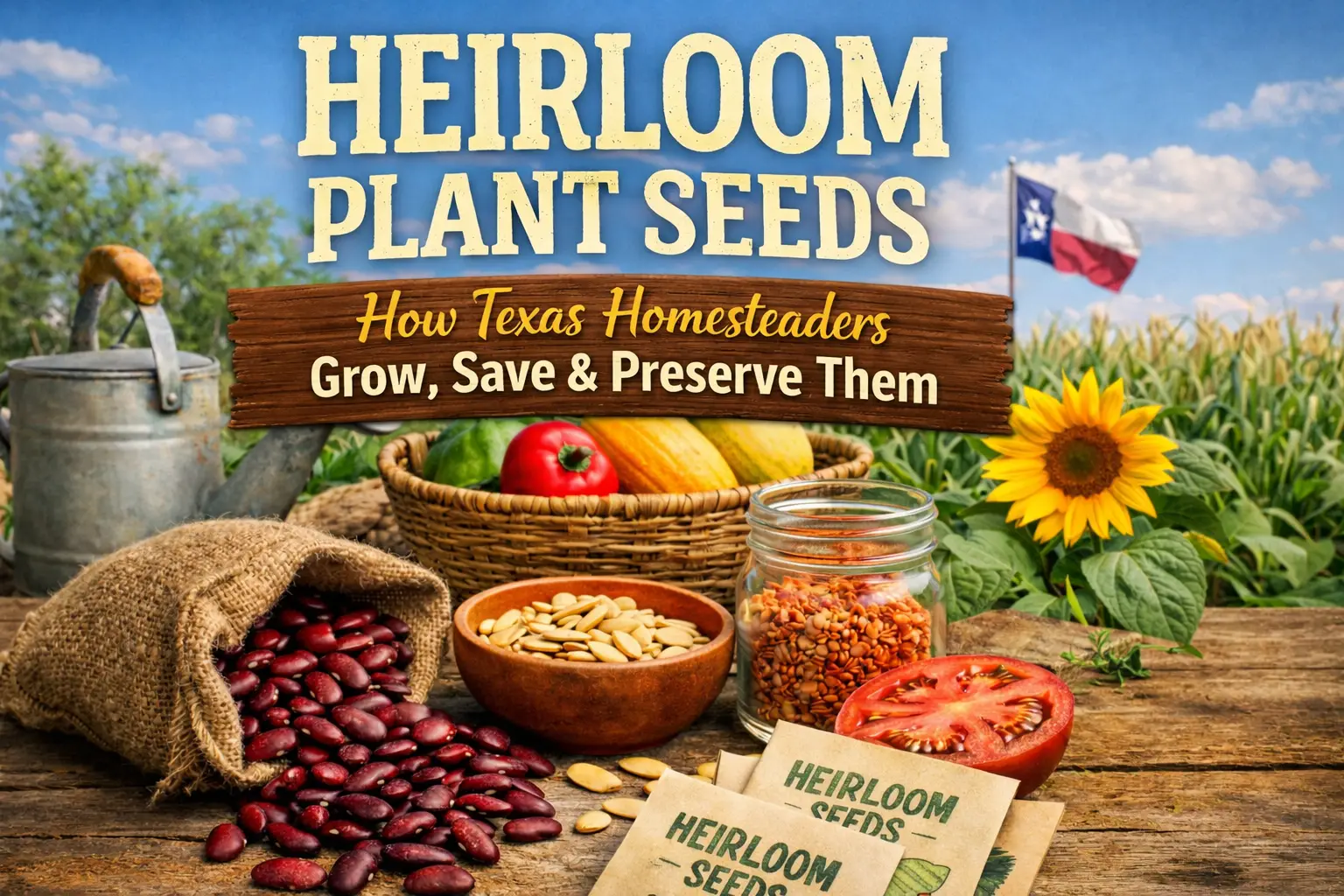
There’s a quiet magic in saving seeds. It’s not just about next year’s tomato — it’s about grabbing a thread of history and pulling it into your own backyard. Heirloom vegetables, those open-pollinated treasures passed down through generations, carry flavors and stories that hybrids simply can’t replicate. And honestly? Saving their seeds is easier than you think. You just need a little patience, a dash of observation, and the willingness to get your hands a bit dirty.
Let’s be real — I’ve killed my share of seedlings. Overwatered, underwatered, forgotten on a windowsill. But seed saving? That’s different. It’s forgiving. It’s rewarding. And once you start, you’ll never look at a grocery store cucumber the same way again.
Why Bother with Heirloom Seeds?
First, let’s clarify what “heirloom” actually means. These are varieties that have been grown for at least 50 years, often much longer. They’re open-pollinated, meaning they rely on wind, insects, or birds for pollination — not human intervention. This stability means you can save seeds year after year, and the offspring will look and taste like the parent plant. That’s the deal. Hybrids, on the other hand, are a genetic grab bag. Save their seeds, and you’ll likely get something weird — sometimes tasty, sometimes tough as leather.
But heirlooms? They’re like a family recipe. You’re not just growing food; you’re preserving a legacy. Take the Brandywine tomato — that pink, beefsteak beauty with its rich, smoky flavor. It’s been around since the 1880s. Or the Scarlet Nantes carrot, a sweet, blunt-rooted variety that’s been delighting gardeners since the 1800s. When you save these seeds, you’re keeping a living artifact alive.
The Golden Rule: Open-Pollinated Only
Here’s the thing — not all seeds are worth saving. If you’re growing F1 hybrids (often labeled as such on packets), skip the seed-saving step. The results are unpredictable, and you might end up with something that resembles neither parent. Stick with open-pollinated or heirloom varieties. Check your seed packet or catalog. If it says “OP” or “Heirloom,” you’re good to go.
But wait — there’s a catch. Even open-pollinated plants can cross-pollinate with other varieties of the same species. That means your Cherokee Purple tomato might accidentally mate with your San Marzano if they’re planted close together. The result? Seeds that produce something entirely new. Sometimes that’s exciting — accidental hybrids can be fantastic. But if you want pure heirloom seeds, you need to isolate your plants. More on that in a bit.
Know Your Plant Families: Selfers vs. Crossers
This is where it gets interesting. Plants fall into two basic camps when it comes to pollination. Knowing which camp you’re dealing with makes everything easier.
Self-Pollinating Plants (The Easy Ones)
These are your introverts. They pollinate themselves before the flower even opens. That means isolation is less critical — though not impossible to mess up. Common selfers include:
- Tomatoes (though bees can occasionally cross them)
- Peppers (same caveat)
- Beans and peas
- Lettuce
- Eggplant
For these, you can save seeds with minimal fuss. Just plant one variety, or space different varieties a few feet apart, and you’re mostly fine. Honestly, even if a bee does cross them, the odds are low.
Cross-Pollinating Plants (The Party Animals)
These need a bit more planning. They rely on insects or wind, and they’ll happily mix with any nearby relative. Think:
- Corn (wind-pollinated — can cross from miles away)
- Squash, pumpkins, and zucchini (insect-pollinated)
- Cucumbers and melons
- Radishes and cabbage family (broccoli, kale, etc.)
For these, you’ll need to take extra steps. Hand-pollination works — like using a small paintbrush to transfer pollen from one flower to another. Or you can use row covers and introduce your own pollinators. Or, the simplest approach? Just grow one variety per season. That’s what I do with my squash. It’s not fancy, but it works.
The Seed-Saving Process: A Step-by-Step Walkthrough
Alright, let’s get practical. Here’s how to actually save seeds from your heirloom veggies. I’ll break it down by the two main methods — dry saving and wet saving.
Dry Seed Saving (For Beans, Peas, Lettuce, and Root Veggies)
This is the lazy gardener’s dream. You just let the plant fully mature — and I mean fully. That pod on your bean plant? Leave it until it’s brown, brittle, and rattling. That lettuce? Let it bolt, flower, and form those fluffy seed heads. Then:
- Harvest the dry pods or seed heads on a sunny day.
- Spread them out on a screen or paper bag in a dry, well-ventilated area.
- Wait a week or two — let them finish drying completely.
- Thresh (crush) the pods to release the seeds. You can use your hands, a rolling pin, or even stomp on them in a bucket. Whatever works.
- Winnow — separate the chaff from the seeds. A gentle breeze or a fan does the trick. Pour the seeds from one bowl to another while the fan blows. The lightweight chaff flies away, the heavy seeds drop.
That’s it. Store them in an envelope, label them, and you’re done.
Wet Seed Saving (For Tomatoes, Cucumbers, Squash, and Melons)
This one’s a bit messier, but kind of fun. Take tomatoes, for example. You can’t just scoop out the seeds and dry them — they’re wrapped in a gelatinous coat that inhibits germination. You need to ferment them, which mimics what happens when a tomato rots on the ground.
- Scoop the seeds and pulp into a jar. Add a little water — just enough to cover.
- Let it sit at room temperature for 3 to 5 days. Stir occasionally. You’ll see a mold layer form on top. That’s good — that’s the fermentation breaking down the gel.
- Pour off the mold and floating seeds (those are usually duds).
- Rinse the good seeds in a strainer under running water, rubbing them gently to remove any remaining pulp.
- Spread them on a coffee filter or paper plate — not a paper towel, they’ll stick — and let them dry for a week or two.
For cucumbers and squash, the process is similar, but you skip the fermentation. Just scoop the seeds, rinse them well, and dry. Easy peasy.
Storing Your Seeds: The Long Game
Now, here’s where people mess up. Seeds are living things. They breathe, they age, and they eventually die. Your job is to slow down that clock. The enemies are heat, moisture, and light.
Here’s the deal — you want your seeds cool, dry, and dark. A glass jar with a tight lid works wonders. Add a silica gel packet or a little dry rice to absorb any lingering moisture. Store them in a cool closet or, even better, the fridge. Just make sure they’re completely dry before you seal them — otherwise, they’ll mold.
Label everything. I can’t stress this enough. Write the variety and the year on the envelope. You think you’ll remember which seed is which next spring? You won’t. Trust me.
How Long Do Seeds Last?
Well, it depends. Some seeds are marathon runners, others are sprinters. Here’s a rough guide for common heirlooms:
| Vegetable | Typical Shelf Life (Cool, Dry Storage) |
|---|---|
| Tomatoes | 4–6 years |
| Peppers | 2–5 years |
| Beans & Peas | 3–5 years |
| Squash & Pumpkins | 4–6 years |
| Lettuce | 3–5 years |
| Carrots & Parsnips | 1–2 years (they’re picky) |
| Onions | 1–2 years |
That said, germination rates drop over time. You might get 90% germination in year one, but only 50% by year five. That’s okay — just plant a few extra seeds to compensate.
Common Mistakes (And How to Avoid Them)
We all make mistakes. Here are the ones I see most often — and I’ve made a few of these myself.
- Saving seeds from sick plants. If a plant had a fungal disease, don’t save its seeds. Pathogens can sometimes hitchhike on the seed coat.
- Harvesting too early. Immature seeds won’t germinate. Wait for full maturity — that means the fruit is overripe, and the pods are bone-dry.
- Not drying thoroughly. This is a big one. Seeds that feel dry on the outside can still hold moisture inside. When in doubt, dry them another week.
- Forgetting to isolate. That accidental cross-pollination thing? It’s real. If you’re growing two varieties of squash, you might end up with something that tastes like a weird gourd hybrid. Which, honestly, could be interesting — but it’s not heirloom purity. function pinIt() { var e = document.createElement('script'); e.setAttribute('type','text/javascript'); e.setAttribute('charset','UTF-8'); e.setAttribute('src','https://assets.pinterest.com/js/pinmarklet.js?r='+Math.random()*99999999); document.body.appendChild(e); }