


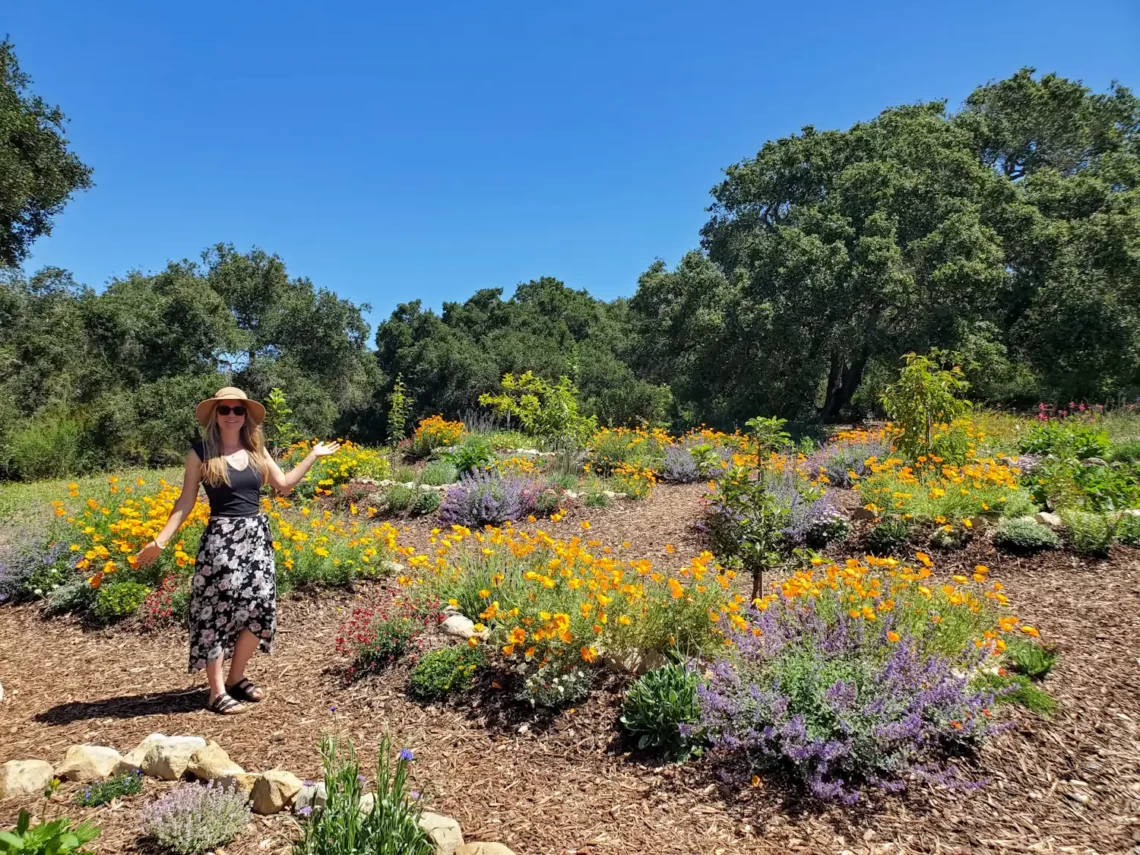
You know, there’s a quiet revolution happening in backyards and on balconies. It’s not about the perfect lawn anymore. Honestly, it’s about letting go of that idea. It’s about looking at a patch of earth—whether it’s a sprawling garden or a few pots on a fire escape—and asking: what does this place need? The answer, more often than not, is a dose of the local, the native, and the wonderfully wild.
That’s where hyper-local biodiversity comes in. It’s a fancy term for a simple, powerful idea: supporting the intricate web of life that’s specifically adapted to your immediate area. And the cornerstone of this movement? Two beautifully intertwined practices: cultivating native plants and building insect hotels. Let’s dive in.
Why “Hyper-Local” is the Heart of the Matter
Sure, planting any flower helps bees. But here’s the deal: a butterfly that evolved over millennia alongside the oak trees and wild bergamot of your region often can’t raise its young on a non-native ornamental. It’s like trying to eat a sandwich made of plastic—it might look like food, but it offers zero sustenance.
Native plants are the foundational layer of your local ecosystem. They’ve co-evolved with the insects, birds, and soil fungi right there with you. This deep history means they:
- Require far less water and no chemical fertilizers once established.
- Provide the exact pollen, nectar, and leaves that local caterpillars and other insects need to survive.
- Support a cascade of life, from the tiniest soil microbe to the songbirds that feed their chicks those fat, juicy caterpillars.
By choosing plants native to your county or even your watershed, you’re not just gardening. You’re restoring a fragment of a lost language—the biological dialect of your home.
Getting Started with Your Native Plant Sanctuary
This doesn’t mean you have to rip everything out. Start small. Replace a thirsty section of lawn. Pop a native perennial into a container. The key is observation and a bit of research.
1. The “Right Plant, Right Place” Rule (But Local)
Find out what originally grew in your area. Check with your state’s native plant society or a local university extension service—they’re goldmines of information. Think about your site: is it dry and sunny? A damp, shady corner? Match the plant to the condition.
2. Think in Layers, Not Just Flowers
A healthy ecosystem has structure. Aim for a mix to create shelter and food year-round:
| Layer | Examples (Region-Dependent) | Wildlife Value |
| Canopy (Trees) | Oaks, Willows, Pines | Host hundreds of caterpillar species; nesting sites. |
| Understory (Shrubs) | Serviceberry, Elderberry, Blueberry | Berries for birds, early spring blooms for insects. |
| Herbaceous (Flowers, Grasses) | Milkweed, Coneflower, Native Sedges | Nectar, pollen, and host plants for butterflies. |
| Groundcover | Wild Ginger, Bearberry | Shelter for amphibians, insects; soil stability. |
3. Embrace the “Messy” Beauty
Leave the seed heads standing through winter. They’re bird food. Let fallen leaves lie in garden beds—they’re a cozy blanket for overwintering queen bumblebees and butterfly pupae. This untidiness is, in fact, the highest form of order for wildlife.
Insect Hotels: The Perfect Partner to Native Plants
Now, if native plants are the grocery store and apartment complex for insects, then an insect hotel is the specialized bed-and-breakfast. It provides crucial nesting and overwintering sites for solitary, beneficial insects—the ones that pollinate your plants and manage pests.
But a word of caution. You’ve probably seen those gorgeous, artful bamboo-and-pallet structures. Well, if not built correctly, they can become deathtraps—damp, moldy, and impossible to clean. The goal is functionality, not just a Pinterest aesthetic.
Building a Helpful Hotel, Not a Hazard
Use natural, untreated materials. And think like a bee or a beetle. They want dry, clean tunnels to lay their eggs in.
- For Mason & Leafcutter Bees: Bundle hollow reeds (like bamboo) or drill holes of varying diameters (3-8mm) into a block of untreated wood. Crucially, make sure the holes are smooth inside and closed at the back.
- For Ladybugs & Lacewings: Fill a wooden box with straw, dried pine cones, or wood shavings. They just need a dry, tight cluster to huddle in.
- For Beetles & Spiders: A simple pile of old logs or branches in a sunny spot is a five-star resort.
Place your hotel facing south or southeast, sheltered from rain, and—this is key—near your native plant beds. A hotel in a food desert is pointless.
The Beautiful Synergy: How They Work Together
This is where the magic happens. You plant native goldenrod. It attracts a hoverfly. That hoverfly needs a place to lay its eggs near its food source. Your insect hotel provides it. The hoverfly larvae then voraciously eat aphids off your nearby plants. See the cycle?
Or, you plant native milkweed. A monarch butterfly finds it, lays eggs, and the caterpillars feast. A predatory wasp from your log pile helps control other pests that might bother the milkweed. The adult monarch feeds on the nectar of your other native blooms, gaining strength for its journey.
You’re not managing a garden. You’re stewarding a network. A tiny, hyper-local node in a vast ecological internet. Each native plant is a hyperlink; each insect hotel is a server, hosting life.
A Final, Gentle Nudge
This work—and it is a practice, not a perfect project—is about more than just helping bugs. It’s an act of rootedness. In a world that often feels abstract and disconnected, tending to the specific life of your specific place is a profound form of belonging.
You’ll get dirt under your nails. You’ll watch a bee you’ve never seen before crawl into a reed home you made. You’ll learn the names of things. And slowly, your little patch will hum and buzz and flutter with a life that was always meant to be there. It’s a quiet revolution, honestly. And it starts with a single native plant, and a simple bundle of sticks.